
Project Information
The last year of the Interior Design program tasked students with completing more in-depth, larger projects. At the start of senior year, students were given a semester long project to simulate the real-world design process.
This project required students to develop a full project from concept development and schematic design, to design development, and through the production of a full construction document set.
The project was based on an actual site that students visited throughout project and worked with designers from a local design firm as references for tenant finish out.
Phase 1: Schematic Design
- Schematic plan with departments and major areas blocked in and delineated.
- Programming requirements as set by client must be met.
- Sensitivity to existing building design.
- Effectiveness in planning space within pre-built location.
- Includes ADA/TAS, codes, exiting, circulation strategies, etc.
- 20 minute Verbal Presentation for Preliminary Presentation explaining company culture, space goals, and plans for design of interior environment.
Phase 2: Design Development
- Creation of bubble diagrams, adjacencies, square footage block diagrams to show process, options, and progress.
- Diagram circulation/exiting strategies.
- Thumbnail/conceptual sketch or sketches communicating your concept.
- Perspective sketch or sketches of a major conceptual area.
- Concept board of color and materials palette, inspiration images, etc.
- Selection of furniture, lighting fixtures, and other interior features.
Design Development Presentation
Phase 3: Construction Documents
- Construction Documentation:
- Life Safety Plans
- Construction Plans
- Materials Plans
- Power/ Electrical Plans
- Reflected Ceiling Plans
- Furniture Plans
- Elevations
- Sections
- Details
- Finish/ Lighting Schedules
- Concept and program binder with background information and documentation
- Client profile; business goals and objectives.
- Concept statement and concept rationale addressing client and business issues, sustainable strategies.
- Program in matrix or spreadsheet form showing major areas; include square footage, functional notes, etc.
- Handouts, notes, copied material in back of notebook.
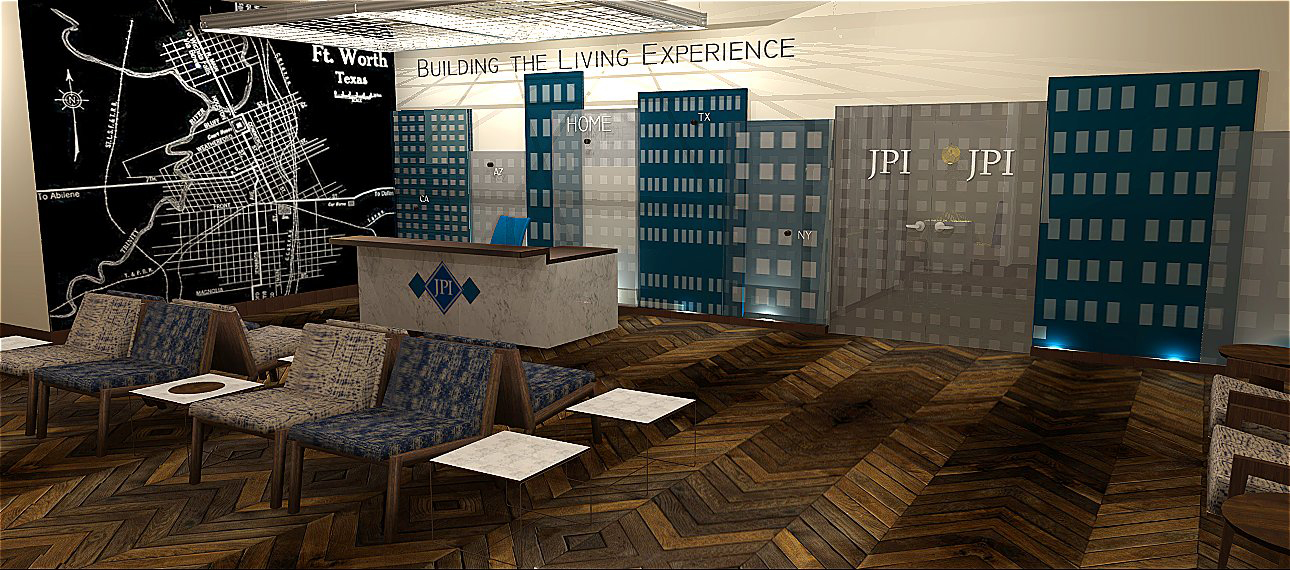
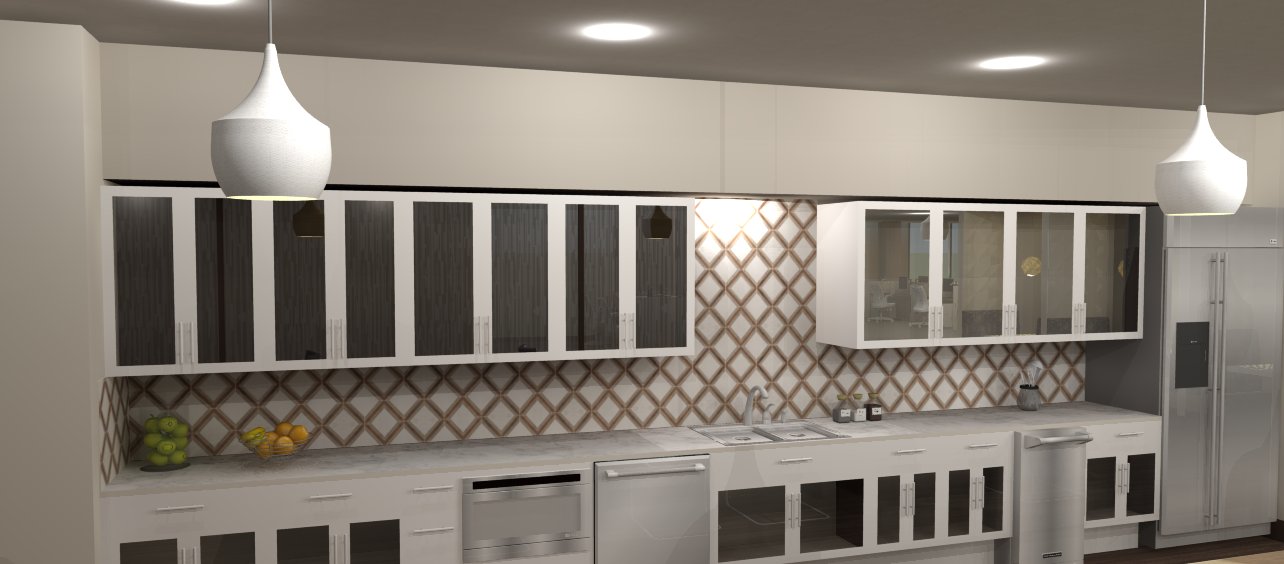
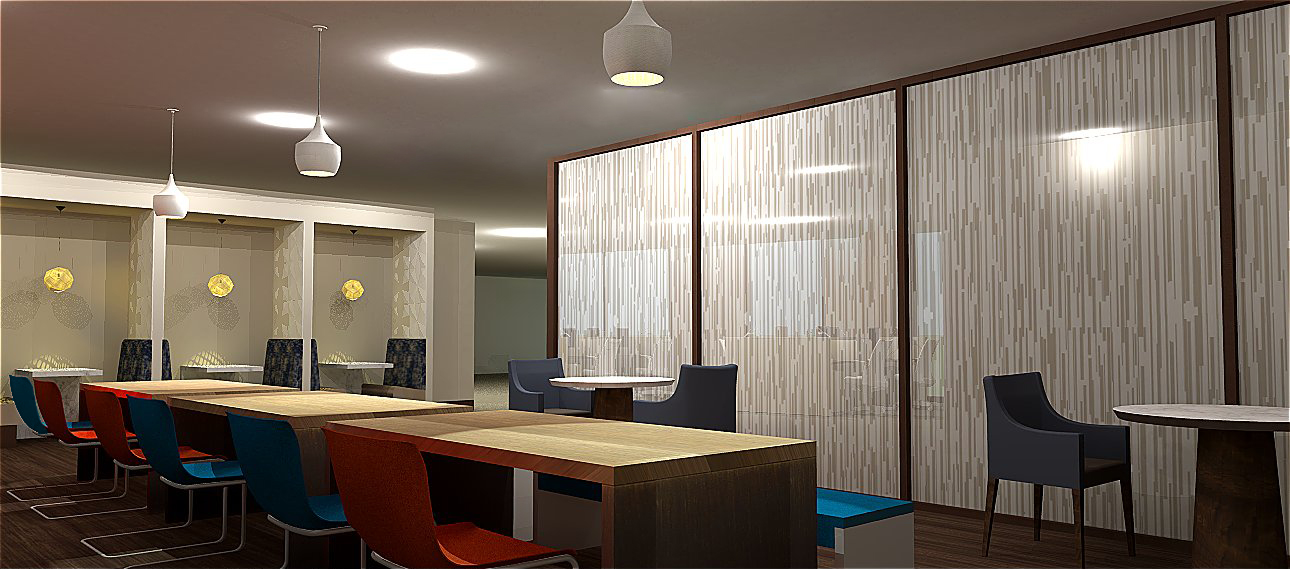
Westbend – JPI Corporate Office Final Set
Final Renderings




 Jessica Risenhoover
One thought on “Academic: Corporate Headquarters”